
The real estate market in Pune shows remarkable growth, and West Pune has become the city’s most powerful employment hub. This region has turned into a real estate powerhouse thanks to its booming IT ecosystem, smooth connection to Mumbai, and the presence of leading global companies.
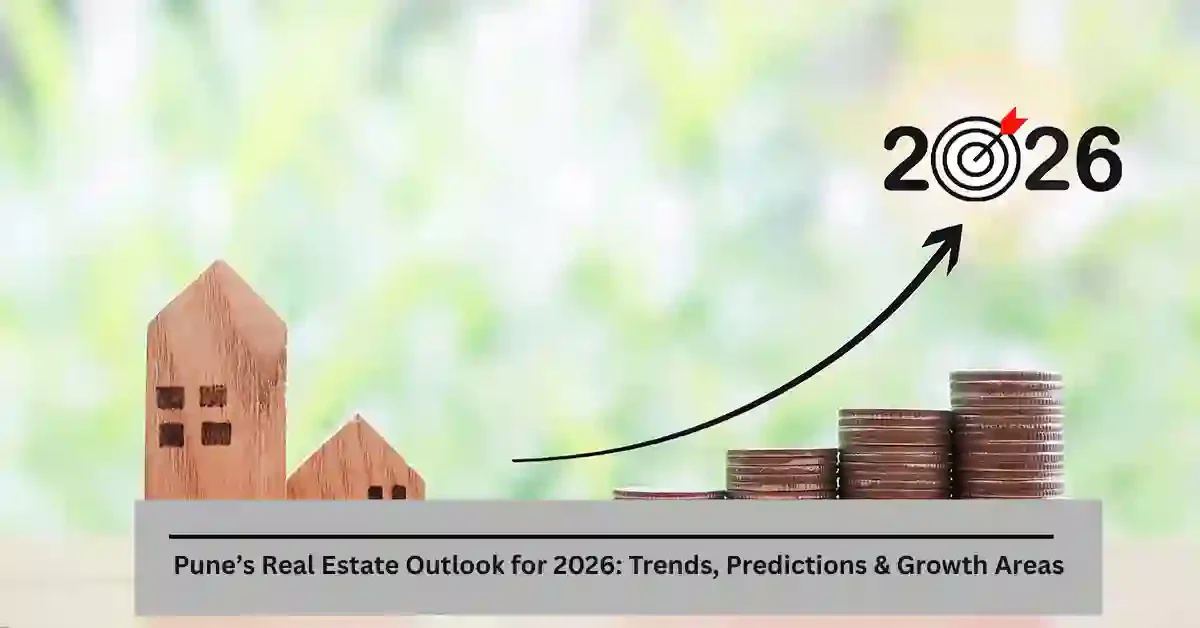
West Pune’s real estate market shows impressive signs for the future. The numbers suggest this area will lead all other Pune micro-markets by 2026 in both capital growth and rental income. The IT corridor’s quick expansion has become the main force behind West Pune’s progress. Hinjewadi, Asia’s largest IT park, continues to be the cornerstone of real estate growth here and provides jobs to more than 400,000 professionals.
Investors find West Pune appealing for good reasons. The region’s capital value should grow 8-12% yearly by 2026, while rental yields remain healthy at 3-5%. This area gives investors one of the most well-rounded mixes of commercial and residential options in Pune’s expanding market.
West Pune’s Real Estate Boom: What’s Driving It
West Pune’s real estate success story builds on its remarkable infrastructure development. The Pune Metro’s Phase 1 now links Hinjewadi to major city areas, which has cut down commute times significantly. This improvement makes the region a prime choice for both homebuyers and investors.
The IT sector’s spectacular growth powers this transformation. More than 850 IT companies, from budding startups to global tech giants, now call this area home. These technology firms have created a buzzing ecosystem that pulls skilled professionals from all over India.
The region’s prime location near the Mumbai-Pune Expressway offers quick access to India’s financial hub. This advantage has led many multinational corporations to set up their operations here, which drives up the housing demand even more.
Commercial growth goes hand in hand with social infrastructure development. The region now boasts premium educational institutions, top-tier healthcare facilities, and entertainment centers. Places like Baner, Balewadi, and Wakad have grown into complete neighborhoods that offer a great quality of life.
Planned townships with built-in amenities have caught everyone’s attention. These communities give residents everything they need – from shopping centers to sports facilities. Such complete living spaces appeal to Pune’s growing professional class, who want the perfect mix of work and life in their home choice.
Top Growth Areas in Pune for 2026
Tathawade has become a favorite residential area near Hinjewadi IT Park. The Mumbai–Bengaluru bypass provides great connectivity that appeals to working professionals and young families. Strong educational institutions in the vicinity have made this fast-developing area attractive to both end-users and investors.
Punawale has gained the most important traction due to its location near Wakad and easy access to the Expressway. Property prices here average Rs. 5,200-5,800 per sq. ft., making it more affordable than neighboring Wakad, where prices are around Rs. 6,600 per sq. ft. The area saw over 8,400 new homes between 2013-2020, and 58% of these units are ready to occupy.
Wakad-Tathawade area thrives on high rental interest from IT professionals and provides premium and mid-segment housing options. A 1BHK apartment in Wakad brings monthly rentals between Rs. 15,000-18,000, while 2BHK units get Rs. 18,000-25,000.
Bavdhan sits among green hills and combines urban convenience with natural beauty. The area’s property values have grown steadily, with current apartment prices reaching ₹8,700 per sq. ft.
Hinjewadi is vital to Pune’s real estate market as home to over 1,100 companies that create steady housing demand. Land prices here have jumped 120% in the last five years, making it appealing to investors who want capital gains and rental income.
Investment Outlook and Predictions for 2026
Pune’s real estate market in 2026 looks stable with predictable growth patterns. Residential properties give rental returns between 3-5% annually, while some areas can reach 5.5-6%. Commercial properties bring substantially higher returns of 7-9%. These numbers make them a great choice for investors focused on regular income.
The city’s property market stands out because it has low unsold inventory and real buyers instead of speculators. This creates a healthy market where prices typically grow 6-10% annually. Investors get both safety and good returns.
These areas give the best rental returns:
- IT corridors like Wakad and Hinjewadi (3.5-4.5%)
- Commercial spaces near business districts (6-10%)
- Furnished apartments (4.5-6% versus 3-4.5% for unfurnished)
- Co-living and PG setups (6-8%)
Mid-range properties between ₹70 lakhs to ₹2 crores still see strong demand despite price sensitivity. The office market hit historic highs in 2025 with annual gross leasing volume reaching 9.9 MSF. This shows strong commercial sector performance that usually drives up residential demand.
Punawale, Ravet, Wakad, Hinjewadi Phase 2 & 3, Chikhali, Moshi, and Charholi emerge as prime investment spots for 2026. These areas blend affordable entry prices with strong development plans. Investors can expect both steady rental income and value appreciation.
Conclusion
West Pune leads the pack as Pune’s real estate market heads toward remarkable growth through 2026. The IT sector’s boom around Hinjewadi IT Park has altered the map of this region. This tech hub continues to drive the need for homes and commercial spaces all along the western corridor.
Each neighborhood in the area has its own appeal. Tathawade draws young professionals who want to live close to work. Punawale stands out with its affordable prices compared to nearby areas. The Wakad-Tathawade stretch keeps attracting renters and offers good returns between 3.5-4.5%.
The market looks great for investors in 2026. Residential properties give you 3-5% returns yearly, and this is a big deal as it means that commercial spaces bring in 7-9%. The market stays healthy because actual users, not speculators, are buying properties. This creates a strong base for future growth.
Property values in most Western areas grow by 6-10% each year. Areas near new infrastructure projects might see even better returns. The record 9.9 MSF of commercial leasing in 2025 makes this outlook even stronger, since more offices usually mean more people looking for homes.
Of course, Pune’s property market has options for everyone – from first-time buyers to experienced investors who want to spread their risk. The city grows steadily thanks to its mix of new infrastructure, job opportunities, and quality living. West Pune gives investors one of India’s best real estate opportunities, whether they want rental income, property value growth, or both.